


Furnace Maintenance in Mill Valley, CA

Furnace Maintenance in Mill Valley, CA
Keeping your home comfortable and your heating system reliable starts with regular furnace maintenance. Here in Mill Valley, CA, Air Flow Pros provides comprehensive seasonal tune-ups, expert filter management, thorough component cleaning, performance checks, and preventive care, all designed for our local climate and typical Bay Area homes. With a well-maintained system, you'll enjoy greater efficiency, longer equipment life, and peace of mind on those unexpectedly chilly nights near Mount Tamalpais.
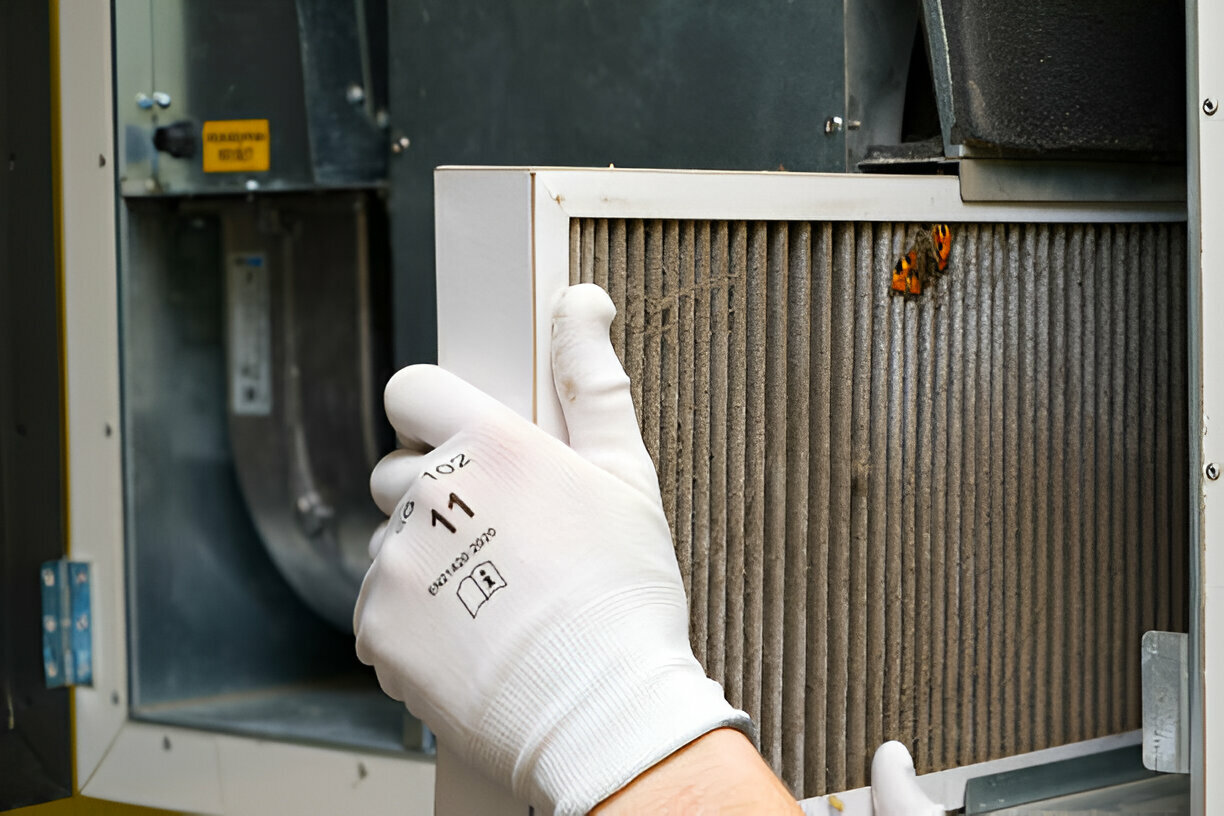
Why furnace maintenance matters in Mill Valley
Mill Valley has a mild Mediterranean climate with cool, damp winters, frequent marine layer and fog, and periodic wildfire smoke during the dry season. Those local conditions create three maintenance priorities:
- Moisture and coastal humidity can lead to dust and particulate buildup in ducts and components.
- Marine air and salt can accelerate corrosion on exterior components and metal ductwork in exposed spaces.
- Wildfire smoke and airborne particles increase filter loading during fire season, reducing airflow and efficiency.
Routine maintenance addresses these issues before they become costly repairs, lowers monthly energy use, and helps protect indoor air quality for homes where family health is a priority.
Common furnace issues in Mill Valley homes
Homeowners who skip regular service often see the same predictable problems:
- Reduced airflow from clogged filters and vents leading to uneven heating
- Ignition or pilot failures on older systems
- Excessive cycling and higher gas usage from dirty burners or improper airflow
- Corroded connectors or venting problems in damp coastal conditions
- Elevated risk of carbon monoxide leaks from cracked heat exchangers or blocked flues
Identifying and correcting these early through seasonal inspections prevents emergencies and extends equipment life.
What a typical seasonal tune-up includes
A professional seasonal tune-up for furnace maintenance in Mill Valley, CA commonly includes these tasks:
- Visual inspection of components, venting, and flue for corrosion, blockages, or damage
- Safety checks, including combustion and carbon monoxide risk indicators
- Cleaning of burners, pilot assembly or ignition components, and accessible heat exchanger surfaces
- Electrical connections inspection and tightening to prevent shorts or failures
- Motor, blower, and belt inspection and lubrication where applicable
- Airflow measurement and filter check; recommendations for filter type and replacement frequency
- Thermostat calibration and verification of proper cycling
- Performance testing to confirm efficient operation and correct fuel-air balance
- Documentation of findings and recommended repairs or improvements
These steps reduce the chance of unexpected breakdowns and help your furnace operate near its rated efficiency.
Filter replacement schedules and indoor air tips
Filter choice and replacement frequency have a big impact on performance and indoor air quality:
- Basic fiberglass filters: inspect monthly, replace every 1-3 months
- Pleated MERV 8-11 filters: inspect monthly, replace every 2-3 months; good balance of filtration and airflow
- High-efficiency filters and HEPA-grade solutions: require monitoring and may need more frequent replacement to avoid restricting airflow
- Homes with pets, allergy sufferers, or during wildfire smoke events: inspect filters monthly and expect replacement as often as every 30 days during peak conditions
Maintaining clear supply and return vents, sealing gaps around duct registers, and running exhaust fans when cooking or showering also helps system efficiency.
Service agreements and maintenance plan options
A structured maintenance plan simplifies upkeep and ensures the furnace is ready when you need it. Typical plan features:
- Scheduled seasonal tune-ups timed to pre-season windows (fall heating tune-up, optional spring cooling check)
- Priority scheduling for covered repairs during service hours
- Included or discounted diagnostic visits for covered systems
- A documented maintenance history that preserves warranty requirements
- Reminders and recommended replacement schedules for filters and consumables
Plans can be customized by frequency (annual heating-only or bi-annual heating and cooling), scope (basic inspection versus comprehensive cleaning), and filter replacement handling (self-supplied or included). Choosing the right plan depends on system age, manufacturer warranty needs, local air quality concerns, and household sensitivity to indoor pollutants.
How a recurring maintenance program works (what to expect)
Enrolling in a recurring maintenance agreement typically follows these steps:
- Initial system assessment to identify current condition and immediate needs.
- Selection of a maintenance tier that matches coverage needs, seasonal timing, and filter service preferences.
- Establishment of an inspection schedule—commonly one heating tune-up in fall, with optional spring cooling service.
- A technician performs the first tune-up, documents findings, and sets a calendar for future visits.
- Homeowner receives reminders and a short report after each visit summarizing work performed and any recommendations.
This predictable cadence prevents deferred maintenance and makes budgeting for home comfort easier.
Diagnostics, repairs, and transparency
During a tune-up, technicians run diagnostic checks to determine efficiency and spot failing components. If repairs are needed, you should receive:
- A clear explanation of the problem in plain language
- Options for repair or replacement, including benefits and tradeoffs
- An estimate of how the repair will impact efficiency and service life
Transparency and documented service reports help homeowners prioritize repairs and compare long-term value.
The benefits of timely furnace maintenance
Regular maintenance delivers measurable advantages:
- Lower utility bills through improved combustion efficiency and optimized airflow
- Fewer emergency repairs and greater reliability during cold snaps
- Extended equipment life and better return on investment for your furnace
- Improved indoor air quality—especially important in Mill Valley during smoke events
- Peace of mind from safety checks that reduce carbon monoxide risk
Practical maintenance tips for Mill Valley homeowners
- Schedule a heating tune-up before the first cold spell; fall is ideal.
- Keep a stock of compatible filters and check them monthly during smoke season.
- Run attic and crawlspace inspections periodically to ensure ducts are intact and insulation is dry.
- Install and test carbon monoxide alarms on every level of the house near sleeping areas.
- Consider upgrading to a higher-efficiency filter or whole-home air cleaner if wildfire smoke or allergies are recurring issues.
Regular furnace maintenance in Mill Valley, CA protects comfort, safety, and household budgets. A planned service agreement tailored to local climate factors and your home’s needs keeps the system running efficiently year after year.
Service Areas

