


AC Tune-Up in San Leandro, CA

AC Tune-Up in San Leandro, CA
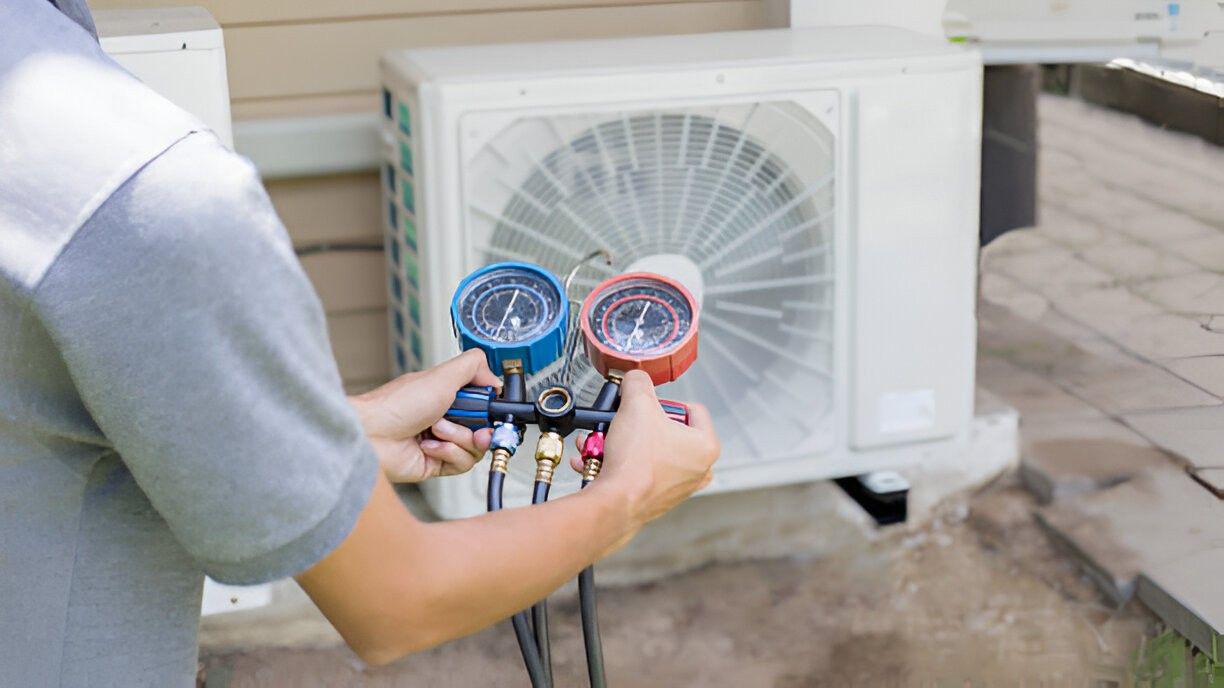
Keeping your air conditioning running reliably and efficiently is essential for comfort and energy savings in San Leandro, CA. An AC tune-up from Air Flow Pros is a targeted preventative service that identifies small problems before they become costly failures, restores system efficiency, and helps extend equipment life especially important here where coastal air, seasonal temperature swings, and wildfire smoke can accelerate wear. We'll explain what a professional AC tune-up includes, the benefits you can expect in San Leandro homes, typical time expectations, recommended frequency, and how tune-ups work as part of our ongoing service agreements.
Why an AC Tune-Up Matters in San Leandro
San Leandro’s Bay Area location brings unique stresses to cooling systems:
- Salt- and moisture-laden air near the Bay can speed corrosion of outdoor coils and electrical contacts.
- Mild year-round temperatures mean systems cycle on and off frequently, which makes lubrication and electrical checks critical.
- Seasonal wildfires and wood smoke increase filter clogging and indoor air-quality concerns.
- Older homes and mixed construction in the region often have duct issues that reduce system efficiency.
A tune-up addresses these local factors by cleaning, calibrating, and testing components so your AC performs reliably when you need it and uses less energy overall.
Multi-Point Inspection Checklist
A full professional AC tune-up follows a multi-point inspection and service checklist. Key items typically include:
Visual system inspection
- Check outdoor unit mounting, signs of corrosion, debris, and insect or rodent damage.
- Inspect indoor air handler and duct plenum for leaks or water damage.
Coil cleaning
- Clean evaporator and condenser coils to restore heat transfer efficiency.
- Remove leaves, dust, salt buildup, and biological growth that reduce cooling capacity.
Refrigerant system check
- Measure refrigerant charge and pressures to ensure correct levels and detect leaks.
- Inspect line set insulation and fittings for deterioration common in coastal environments.
Electrical and control testing
- Tighten and test electrical connections, contactors, fuses, capacitors, and relays.
- Test starting components and motors for proper draw and operation.
Airflow and blower inspection
- Measure airflow, clean blower wheel and housing, lubricate motors where applicable.
- Inspect and advise on filter type and MERV rating for local air-quality concerns.
Thermostat calibration and controls
- Calibrate thermostat, verify sensor locations, and confirm system cycles properly.
- Test communication in smart thermostats and zoning controls where present.
Drain and safety controls
- Clear condensate drain and pan, verify float switch operation to prevent indoor water damage.
- Test limit switches and safety cutoffs.
Duct and insulation review
- Inspect accessible ducts for leaks, poor insulation, and disconnected sections that reduce efficiency.
Each item is documented so you understand current condition, recommended fixes, and any components that may need attention soon.
Expected Improvements in Efficiency and Reliability
After a quality tune-up you should notice:
- Better cooling performance — shorter run times and more even temperatures through the home.
- Improved energy efficiency — cleaned coils and proper refrigerant levels lower energy use compared to an unmaintained system.
- Fewer breakdowns — tightened electrical connections and early detection of failing parts reduce emergency repairs.
- Longer equipment life — routine lubrication, cleaning, and adjustments reduce wear on compressors, motors, and controls.
- Cleaner indoor air — updated filter recommendations and cleaned coils reduce dust and particulate recirculation—important during wildfire season.
Quantifiable results vary by system age and condition, but tune-ups reliably reduce the risk of mid-summer failures and can maintain warranty compliance when performed per manufacturer guidelines.
Typical Time and Cost Expectations
- Time: Most residential split-system tune-ups take about 60 to 90 minutes for a single outdoor unit and air handler. Systems with complex ductwork, multi-zone controls, or additional indoor equipment may require up to two hours.
- Cost considerations: Service fees depend on system type, accessibility, and whether additional repairs or parts are needed. Factors that commonly affect cost in San Leandro include the need for coil restoration due to salt corrosion, refrigerant recovery and repair if leaks are found, and replacement of aged electrical components. A tune-up is an investment that often pays for itself through improved efficiency and avoided emergency repairs.
Recommended Frequency
- For standard residential systems, an AC tune-up is recommended annually, ideally in spring before the cooling season peaks.
- Homes with heavy use, older equipment (10+ years), water-damaged components, or high indoor particulate from wildfire smoke may benefit from semi-annual inspections.
- Systems covered by manufacturer warranties or service agreements may require documented annual maintenance to preserve coverage.
How Tune-Ups Integrate with Service Agreements
A structured service agreement makes tune-ups more effective and convenient:
- Scheduled preventive maintenance ensures annual inspections occur before peak demand, reducing stress on parts and preventing seasonal failures.
- Priority scheduling and pre-arranged appointments minimize downtime during heat waves.
- Documented service records preserve warranty compliance and provide a history that helps with long-term replacement planning.
- Discounted labor or parts under some agreements can lower overall ownership costs and make timely repairs more affordable.
- Customized checklists for San Leandro conditions (coastal corrosion prevention, smoke impact mitigation) ensure the tune-up addresses local risks rather than a generic checklist.
Service agreements turn one-off tune-ups into a lifecycle strategy that extends equipment life, reduces total cost of ownership, and keeps indoor comfort predictable.
Common Signs You Need a Tune-Up Now
If you experience any of the following, a professional tune-up or diagnostic inspection is warranted:
- Uneven cooling or hot spots in the home
- Increased energy bills not explained by weather changes
- Short cycling or frequent on/off cycles
- Strange noises from outdoor unit or air handler
- Visible frost on refrigerant lines or coil surfaces
- Unpleasant odors when the system runs
- Recent wildfire smoke exposure or heavy dust accumulation
Maintenance Tips for San Leandro Homes
- Use higher-quality filters during wildfire season and replace them more frequently.
- Keep outdoor unit clear of debris and rinse salt spray off coils after stormy Bay winds.
- Monitor condensate drains and check for trapped debris after heavy rains.
- Consider protective coatings or corrosion-resistant fasteners for outdoor units in coastal-exposed properties.
- Schedule tune-ups in spring for reliable summer performance and again in fall for heat-pump systems used year-round.
A professional AC tune-up in San Leandro, CA is a practical, decision-stage service that delivers immediate comfort benefits and long-term savings by preventing failures, improving efficiency, and extending equipment life. Regular, documented maintenance tailored to local conditions protects your home’s comfort and your HVAC investment.
Service Areas

