


AC Repair in Oakland, CA

AC Repair in Oakland, CA
Keeping your home comfortable during warm spells and protecting your HVAC equipment from early failure truly depends on timely, accurate AC repair. If you live in Oakland, CA, local climate factors like coastal fog, saline air near the Bay, temperature swings between microclimates, and increasing heat events make professional AC repair from Air Flow Pros absolutely essential. We provide a thorough AC repair service that addresses common problems in Oakland homes. We'll show you how diagnostics are performed, outline typical repair solutions (for compressors, fans, capacitors, refrigerant leaks, control boards), clarify expected response times and after-hours availability, discuss warranty considerations, and give you clear guidance on when repair versus replacement is truly the right choice.
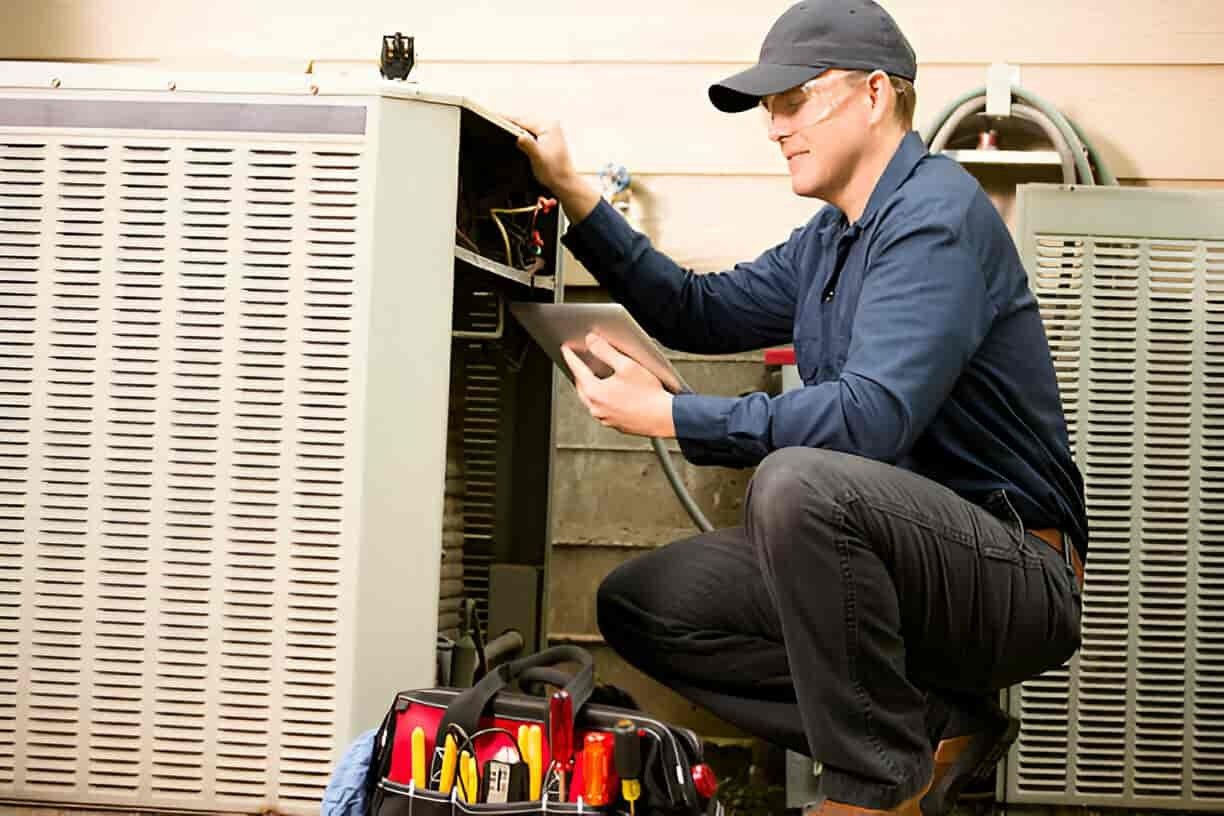
Why AC repair matters in Oakland homes
Oakland’s mix of older housing stock, hillside properties, and bayfront neighborhoods creates specific stressors on cooling systems. Salt air speeds corrosion on outdoor coils and connections. Many systems were sized for historically milder summers and can be overtaxed during heat waves. Timely repair restores efficiency, prevents refrigerant leaks and electrical hazards, and helps maintain indoor air quality when wildfire smoke becomes an intermittent concern.
Common AC problems in Oakland
- No cooling or insufficient cooling: often caused by refrigerant loss, compressor failure, or restricted airflow.
- Unit won’t start or is intermittent: electrical issues, failing capacitors, or control board faults.
- Unusual noises: grinding, humming, or rattling usually point to motor, fan, or compressor issues.
- Ice buildup on the evaporator coil: restricted airflow or low refrigerant charge.
- Frequent cycling: thermostat, control board, or short-cycling from a failing compressor.
- Water leaks or clogged condensate drain: potential for water damage and mold.
- Corrosion and rust on outdoor components: accelerated near the bay, leading to leaks and electrical shorts.
Diagnostic procedures — what to expect
A professional AC diagnostic is systematic and aimed at identifying root causes before any repair work:
- Initial system check: verify thermostat settings and confirm complaints by observing system operation.
- Electrical inspection: measure voltage and current at the compressor, fan motors, and control board to spot shorts, burned contacts, or failing components.
- Airflow evaluation: inspect filters, ducts, blower motor and return vents to confirm proper airflow.
- Refrigerant pressure check: use digital gauges to read high and low side pressures and determine if the system is undercharged, overcharged, or leaking.
- Visual inspection: look for signs of oil (indicative of leaks), rust, damaged fins, and loose or corroded electrical connections—especially common on Bay-adjacent units.
- Leak detection: electronic leak detectors, UV dye, or soap testing to locate refrigerant leaks when pressures indicate loss.
- Component testing: test capacitors, contactors, relays, and the control board for proper function.
Diagnostics usually take 30–90 minutes for most residential systems but may take longer if ducts, inaccessible equipment, or intermittent electrical issues need tracing.
Typical repair solutions
Below are common failures and typical solutions technicians implement:
Compressor problems
- Symptoms: system runs but no cooling, loud clunking, excessive current draw.
- Solution: compressor replacement is often required when internal damage occurs; technicians will test motor windings and options to replace or, in rare cases, rebuild. Compressor work is labor intensive and may require system evacuation and recharge.
Condenser or blower fan motor
- Symptoms: outdoor fan not spinning, indoor blower not moving air, unusual squeal.
- Solution: replace fan motor or fan blade assembly; balancing and securing mounts to prevent vibration is included.
Capacitor failures
- Symptoms: humming, failure to start, intermittent operation.
- Solution: replace start or run capacitors. This is a common quick repair that often restores normal operation in one visit.
Refrigerant leaks
- Symptoms: loss of cooling, ice on evaporator, hissing sounds.
- Solution: locate and repair the leak, replace affected tubing or fittings, pressure test and evacuate system, then recharge with the proper refrigerant. Note: older R-22 systems have additional regulatory and cost considerations.
Control board and electrical components
- Symptoms: intermittent failures, no response to thermostat, erratic behavior.
- Solution: repair or replace control board, contactors, relays, or thermostats. Technicians will verify correct wiring and update controls where appropriate.
Typical repair durations:
- Capacitor or contactor replacement: 30–90 minutes.
- Fan motor replacement: 1–3 hours.
- Refrigerant leak repair and recharge: 2–6 hours depending on access and severity.
- Compressor replacement or major outdoor unit work: 4–8 hours or more, sometimes requiring multiple visits for parts or permits.
Response times and emergency/after-hours service
In Oakland, many HVAC providers offer:
- Emergency/after-hours availability: 24/7 emergency service for life-safety issues, severe system failures during heat waves, or continuous water leaks. Emergency response windows vary but may be within 1–4 hours depending on call volume and location.
- Same-day or next-day appointments: for non-emergencies, same-day or next-business-day visits are common, with routine diagnostics typically scheduled within 24–48 hours.
Logistics like blocked access to outdoor units in tight Oakland yards or multi-unit buildings can affect timing.
Parts and labor warranty information
Warranty coverage varies by part type and provider. Typical practices include:
- Manufacturer warranties: major components such as compressors and motors may carry manufacturer warranties that remain valid if proper installation and registration requirements are met.
- Aftermarket parts: often include limited parts warranties from suppliers.
- Labor warranty: many local service providers offer a labor warranty for a defined period after repair—commonly 30 to 365 days—covering workmanship related to the specific repair.
Always request written warranty details at the time of diagnosis so you understand coverage periods, exclusions, and how warranty claims are handled.
Repair vs replacement — how to decide
Consider replacement when:
- The system is older than 10–15 years and uses phased-out refrigerants (such as R-22).
- Repairs are frequent or the cumulative repair cost approaches 40–50% of the cost of a new, properly sized system.
- The system fails a key component like the compressor and other components show advanced wear.
- Energy bills are high and comfort is inconsistent despite recent repairs.
- Indoor air quality concerns (smoke, allergens) would be better served by upgraded filtration or a modern system with improved efficiency.
In Oakland, many homeowners with mild seasonal cooling needs may opt to repair a relatively modern, efficient system. However, during prolonged heat events or if corrosion from coastal exposure has significantly damaged outdoor components, replacement can provide longer-term reliability and better efficiency.
Preventive steps and long-term benefits
Regular maintenance—including seasonal tune-ups, filter changes, and routine inspections—extends system life, improves efficiency, and reduces emergency repairs. For Oakland homes, proactive attention to outdoor coil cleaning, corrosion protection, and condensate drain maintenance is especially important. Timely repairs reduce energy costs, prevent comfort disruptions during heat waves, and protect indoor air quality when wildfire smoke affects the region.
If you want a clear assessment, a professional diagnostic will outline necessary repairs, expected costs, warranty details, and whether replacement offers better long-term value for your Oakland home.
Service Areas

