


AC Maintenance in Larkspur, CA

AC Maintenance in Larkspur, CA
Keeping your air conditioning running reliably in Larkspur requires maintenance that understands local conditions: coastal marine air, seasonal fog and humidity, pollen from nearby trees, and occasional wildfire smoke. A comprehensive AC maintenance program from Air Flow Pros, tailored for Larkspur homes, focuses on preventive care seasonal tune-ups, targeted inspections, and routine checklist items to maximize efficiency, reduce energy bills, extend equipment life, and maintain healthy indoor air quality.
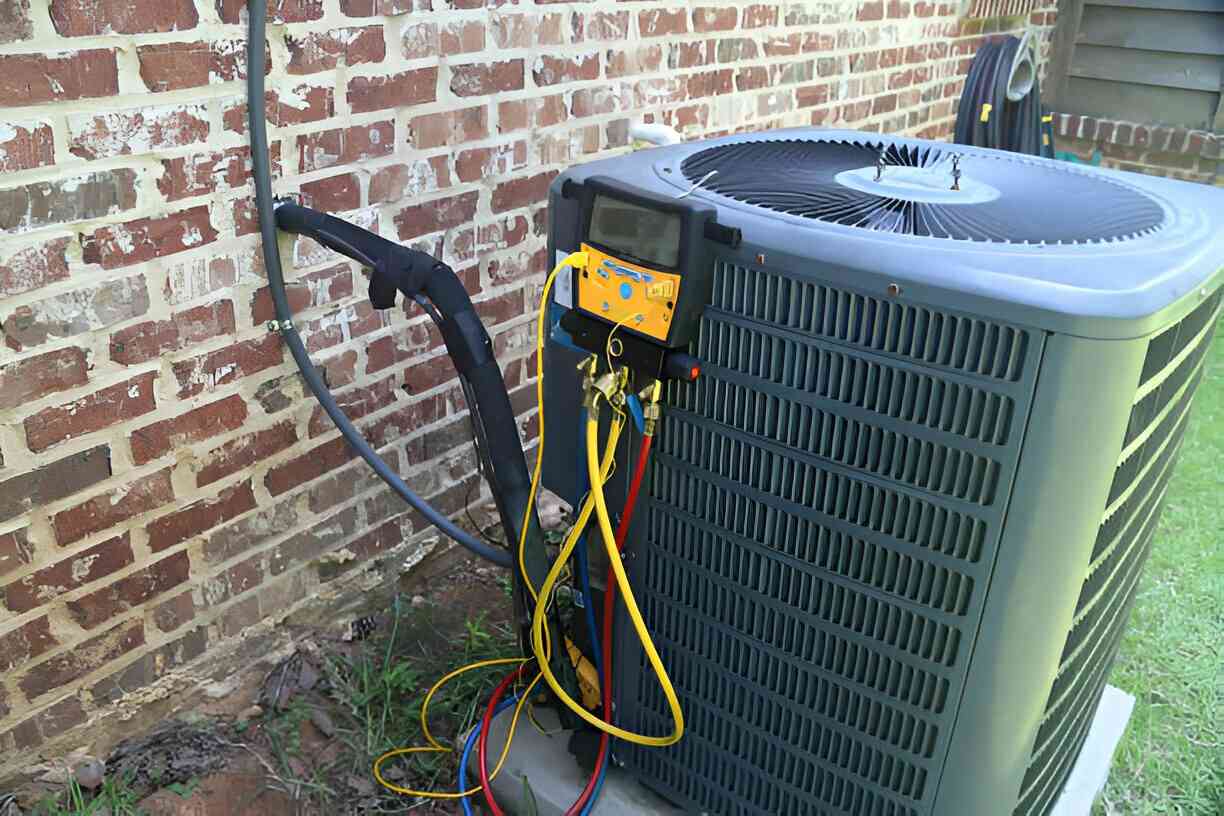
Why preventive AC maintenance matters in Larkspur
- Salt and moisture exposure from the nearby coast accelerates corrosion of outdoor coils, electrical contacts, and fasteners.
- Marine layer and humidity lead to faster coil fouling and higher condensate production that can clog drains.
- Tree pollen and seasonal allergens increase filter load and reduce airflow.
- Wildfire smoke events create sudden indoor air quality concerns and require more frequent filter changes and system checks.
- Higher local energy costs make optimizing efficiency an immediate savings opportunity.
Regular maintenance addresses these local stressors before they become emergency repairs, keeping comfort predictable year-round.
Common AC problems Larkspur homes experience
- Reduced cooling capacity during warm spells due to dirty coils or low refrigerant
- Frequent cycling and uneven cooling from clogged filters or airflow restrictions
- Water leaks and mold risk from blocked condensate drains
- Corroded outdoor components and failing electrical connections from salt exposure
- Poor indoor air quality after smoke events or during high pollen seasons
What a comprehensive seasonal tune-up includes
A high-quality AC maintenance visit follows a systematic checklist to confirm safe, efficient operation. Typical seasonal tune-up items include:
- Air filter inspection and replacement - check MERV rating and replace or advise on proper intervals (typically every 1-3 months depending on use and indoor air needs)
- Evaporator and condenser coil cleaning - remove dust, pollen, and salt residue that reduce heat transfer
- Condenser fan and motor check - inspect blades, motor bearings, and operation
- Condensate drain and pan inspection and cleaning - clear clogs and flush lines to prevent backups and microbial growth
- Refrigerant level check - confirm proper charge and inspect for leaks
- Electrical component inspection - tighten connections, test capacitors, contactors, fuses, and relays
- Blower assembly and airflow measurement - clean blower wheel, verify CFM, and check air handler operation
- Thermostat calibration and control checks - confirm setpoints and communication with system controls
- Ductwork visual inspection - identify obvious leaks, disconnected sections, or insulation problems
- Belt, pulley, and lubrication service - where applicable, adjust tensions and lubricate moving parts
- Safety and performance tests - measure temperature split, amperage draw, and overall operational integrity
Diagnostic process - what the technician will do and why
Technicians begin with a full visual inspection and system history review to identify recurring issues. Diagnostic steps include:
- Measuring supply and return air temperatures to confirm proper cooling efficiency.
- Testing electrical load to detect stressed components that could fail prematurely.
- Evaporator and condenser pressure readings to determine refrigerant health.
- Inspecting condensate lines visually and with cameras if necessary to locate blockages.
- Checking coil condition and cleanliness to determine if deeper cleaning is required.
- Assessing outdoor unit for corrosion or debris buildup from salt and foliage.
These diagnostics isolate root causes so maintenance is preventive rather than just reactive.
Repair and solution options commonly recommended
When maintenance identifies issues, typical solutions include:
- Coil cleaning or professional acid wash for heavy salt or grime buildup
- Refrigerant leak detection and qualified repair with proper recharging
- Condensate drain clearing and installation of secondary safety pans or float switches
- Replacement of worn capacitors, contactors, blower motors, or belts
- Duct sealing and insulation to improve airflow and reduce energy loss
- Upgrading filters or whole-home filtration if wildfire smoke or allergy concerns are frequent
Each repair is selected to restore efficiency, protect components from further damage, and reduce the likelihood of repeat calls.
Recommended service intervals for Larkspur homes
- Cooling system tune-ups: At least once per year, ideally in spring before the warm season. For homes using the AC heavily or located very close to the coast, consider twice-yearly checks (spring and fall).
- Air filter checks: Inspect monthly; replace every 1-3 months depending on filter type, occupancy, and indoor air quality needs. Replace immediately after wildfire smoke events.
- Coil cleaning: Annually, more often if the home is near salt spray or heavy pollen sources.
- Condensate drain maintenance: Annually, with prompt checks if you notice odors or slow drainage.
- Refrigerant checks and electrical inspections: Annually during a tune-up.
Following these intervals preserves performance and aligns with manufacturer warranty requirements.
Service agreement features to look for
A thoughtful AC maintenance program or service agreement for Larkspur should include:
- Scheduled seasonal tune-ups and reminders aligned with local climate needs
- A detailed inspection checklist and written report after each visit
- Priority scheduling for repair appointments during peak demand
- Documentation required to maintain equipment warranties
- Flexible plan options based on system type and home needs
- Clear explanations of covered items versus repair recommendations
Agreements help spread preventive care throughout the year and make maintenance predictable.
Cost-saving and performance benefits
Regular maintenance delivers measurable outcomes:
- Improved energy efficiency and lower monthly cooling costs
- Fewer emergency repairs and reduced downtime during heat events
- Extended equipment life, delaying replacement costs
- Better indoor air quality, especially important during pollen seasons and smoke events
- Stable, consistent comfort and fewer cold/hot spots through improved airflow
In Larkspur, where salt exposure and changing air quality are ongoing concerns, the return on maintenance investment often appears quickly through reduced service calls and steadier efficiency.
Practical homeowner tips for between visits
- Replace or check filters monthly during high pollen or smoke seasons.
- Keep outdoor unit clear of leaves, mulch, and salt-deposit buildup; rinse gently with low-pressure water if safe to do so.
- Run exhaust fans and a dehumidifier during extended humid spells to reduce load on the AC.
- After wildfire smoke, change filters immediately and consider an extra service visit to inspect coils and duct cleanliness.
- Note any changes in noise, airflow, or unusual odors and record dates for technician diagnostics.
Regular, seasonal maintenance tailored to Larkspur conditions protects comfort, reduces utility costs, and preserves your HVAC investment. A proactive program focused on the checklist items above will keep your system running efficiently and reliably year after year.
Service Areas

