


AC Installation in Hayward, CA

AC Installation in Hayward, CA
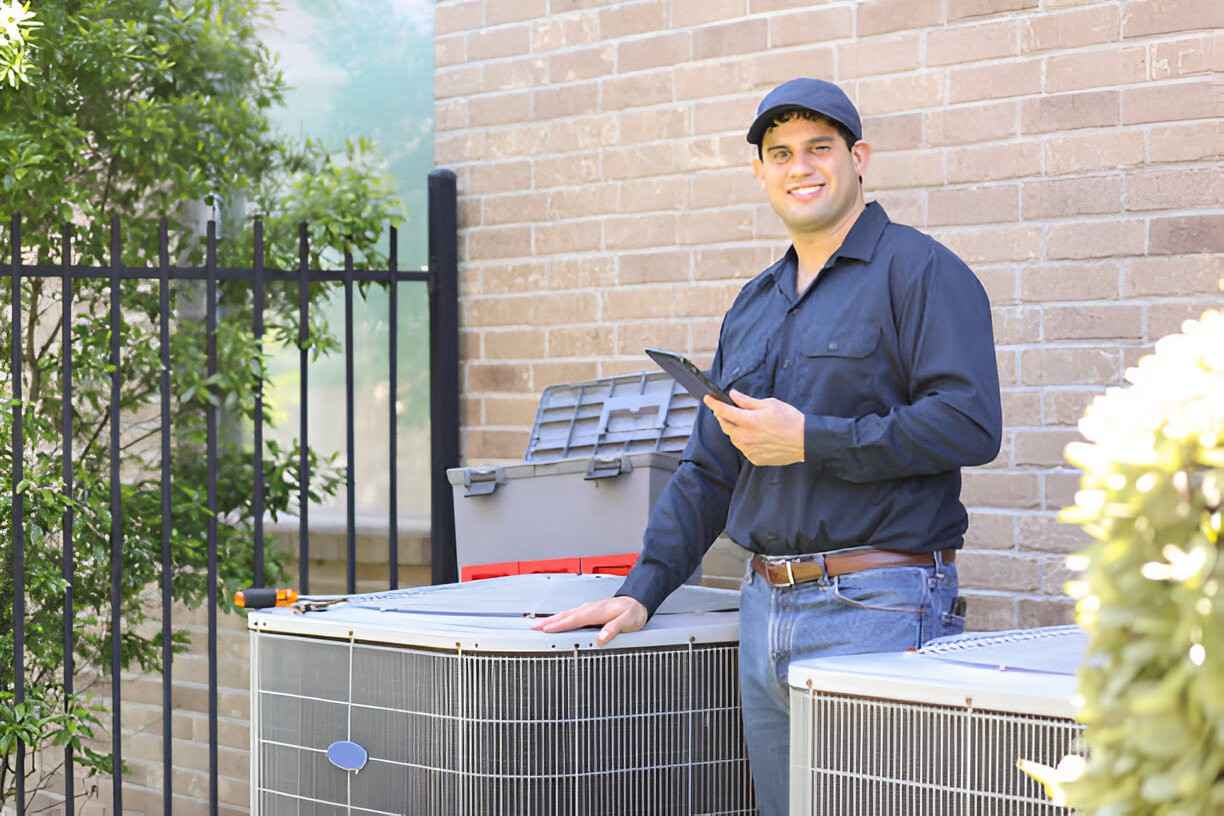
An efficient, correctly sized air conditioning system is one of the best investments you can make for comfort, energy savings, and indoor air quality in Hayward, CA. Whether you live near the bay where marine layer and humidity are factors, or farther inland where summer heat spikes, professional AC installation from Air Flow Pros ensures your home cools evenly, runs reliably, and meets local code and rebate requirements. We handle the full AC installation process for Hayward homes: showing you how we size and select equipment (including excellent Trane options), evaluate and modify ductwork, manage permits and timelines, complete professional installation, verify performance, and guide you through warranties, financing, and any available incentives.
Why Hayward climate and home types matter for AC installation
Hayward sits in the East Bay with a range of microclimates. Coastal neighborhoods often contend with humidity and mild temperatures, while neighborhoods farther from the water can experience hotter afternoons. Many homes in Hayward are older and may have undersized or leaky ductwork, limited attic space, or electrical systems that need upgrades. Those local factors influence system type, unit sizing, and installation scope — which is why a tailored load assessment is the first step.
Common AC installation needs in Hayward
- Whole-home replacement of aging or inefficient central AC units
- Upgrading to higher-efficiency models (higher SEER) or Trane systems for reliability
- Installing heat pump systems for combined heating and cooling efficiency
- Ductwork repair, sealing, or full redesign in older homes
- Adding zoning or smart thermostats for multi-level properties
- Electrical panel upgrades to support new equipment
- Indoor air quality upgrades (filters, whole-house air cleaners, ventilators) for bay-area air concerns
Home load assessment and unit sizing (what to expect)
A professional installation begins with a detailed load calculation (Manual J). This evaluates:
- Square footage, insulation levels, window orientation, and glazing
- Local climate data (Hayward-specific patterns) and sun exposure
- Occupant patterns and desired indoor temperatures
- The result determines the correct tonnage and configuration. Oversizing leads to short-cycling and humidity problems; undersizing leaves your home uncomfortable during hot days. Proper sizing improves comfort, efficiency, and equipment lifespan.
Recommendations for energy-efficient models (including Trane)
Energy-efficient systems save money year after year and often qualify for rebates or incentives. Typical recommendations for Hayward homes include:
- High-SEER central air conditioners or Trane high-efficiency models for dependable performance and strong manufacturer warranties
- Variable-speed compressors and multi-stage systems for better humidity control and quieter operation
- Heat pumps as a cleaner, more efficient alternative when paired with a compatible furnace or as all-electric heating/cooling
- Matched indoor coils and properly sized refrigerant lines to preserve manufacturer warranties and maximize efficiency
Ductwork evaluation and modifications
Duct issues are one of the most common hidden causes of poor HVAC performance in older Hayward homes. A proper evaluation includes:
- Leakage testing and visual inspection for disconnected or crushed ducts
- Measuring static pressure and airflow to ensure balance
- Insulation level checks for ducts in unconditioned spaces
- Recommendations ranging from sealing and insulation to partial or full duct replacement and rework for proper airflow
- If modifications are required, we lay out options with expected disruption and timelines so you can choose the right balance of performance and budget.
Permitting and typical timelines in Hayward
Most AC installations require permits and must meet local building codes.
Typical steps and timing:
- Permit submission and plan review by the City of Hayward or Alameda County (timeline varies; often 1–3 weeks depending on scope)
- Scheduling the installation after permit approval
Typical install duration:
- Like-for-like replacement (same location, no duct changes): half-day to one day
- Replacement with duct repairs or minor electrical work: 1–2 days
- Full system change with duct redesign or panel upgrades: 2–4 days
- Your installer should handle permit applications and code inspections as part of the installation package.
Professional installation steps (what happens on install day)
- Pre-install inspection and site protection: floor coverings, drop cloths, and equipment staging
- Removal of old equipment and responsible disposal
- Placement and securing of new outdoor condenser or heat pump unit on a pad
- Indoor coil and air handler installation or modification and necessary refrigerant plumbing
- Electrical connections, circuit protection, and, if needed, panel upgrades
- Ductwork seals, insulation, and any transition fabrication
- Refrigerant charge, system evacuation, and start-up
- Thermostat setup and zoning integration if applicable
- Final cleanup and homeowner walkthrough
Post-install performance testing and commissioning
A full commissioning includes:
- Refrigerant charge and verification to manufacturer specs
- Airflow measurements and static pressure checks
- Temperature split and system efficiency verification
- Electrical load checks and safety control testing
- Thermostat calibration and system programming for optimal efficiency
- You should receive documentation of these checks and baseline readings for future maintenance.
Warranty and extended warranty options
New systems come with manufacturer limited warranties (compressor and parts) and typically a separate labor warranty. For added protection:
- Extended warranties and service agreements cover labor and parts beyond factory terms
- Register the equipment with the manufacturer and keep installation documentation to preserve warranty eligibility
- Consider regular maintenance agreements to maintain warranty compliance and extend equipment life
Financing and rebates guidance
High-efficiency upgrades can qualify for multiple financial incentives:
- Federal incentives or tax credits may apply for qualified high-efficiency heat pumps or energy-saving home improvements
- State and local rebates (California energy programs and local utility rebates) often reward higher-SEER equipment, heat pumps, and whole-home efficiency upgrades
- Many providers offer financing options that spread out payments over time
- Check current local utility (e.g., PG&E) and state programs for eligibility and combine incentives when possible. Your installation specialist can typically outline potential rebates and required documentation.
What customers can expect after installation day
- Improved comfort with more consistent temperatures and better humidity control
- Lower energy use and quieter operation compared to older systems
- Documentation including warranty registrations, commissioning reports, and maintenance recommendations
- Follow-up service scheduling for seasonal tune-ups and any warranty-covered callbacks
Maintenance and long-term tips for Hayward homeowners
- Schedule seasonal tune-ups (spring for cooling) to keep efficiency and reliability high
- Replace filters regularly and use higher-MERV filters if compatible with your system
- Keep outdoor units clear of debris and shaded where practical for efficiency
- Seal and insulate ducts in attics and crawlspaces to reduce energy loss
- Use a programmable or smart thermostat to optimize runtime and comfort
A professionally planned and executed AC installation in Hayward, CA addresses local climate demands, correct unit sizing, ductwork condition, permitting, and long-term performance. Attention to these details at installation maximizes comfort, improves efficiency, and protects your investment for years to come.
Service Areas

